More on layers
Developing a practice

In my first post I wrote about using background layers and in the second, reflections, both ways with which to develop layers in a photograph. When thinking about what to write in this post in connection to some of my photographs, I still couldn’t get layers out of my head. Although I knew a little on the subject, I did my homework this time! Many have written on this subject and there is an excellent short video by one of my ‘teachers’ Brian Lloyd Duckett (with whom I have been on several workshops). There is also a good video from Framelines featuring Billy Dinh.
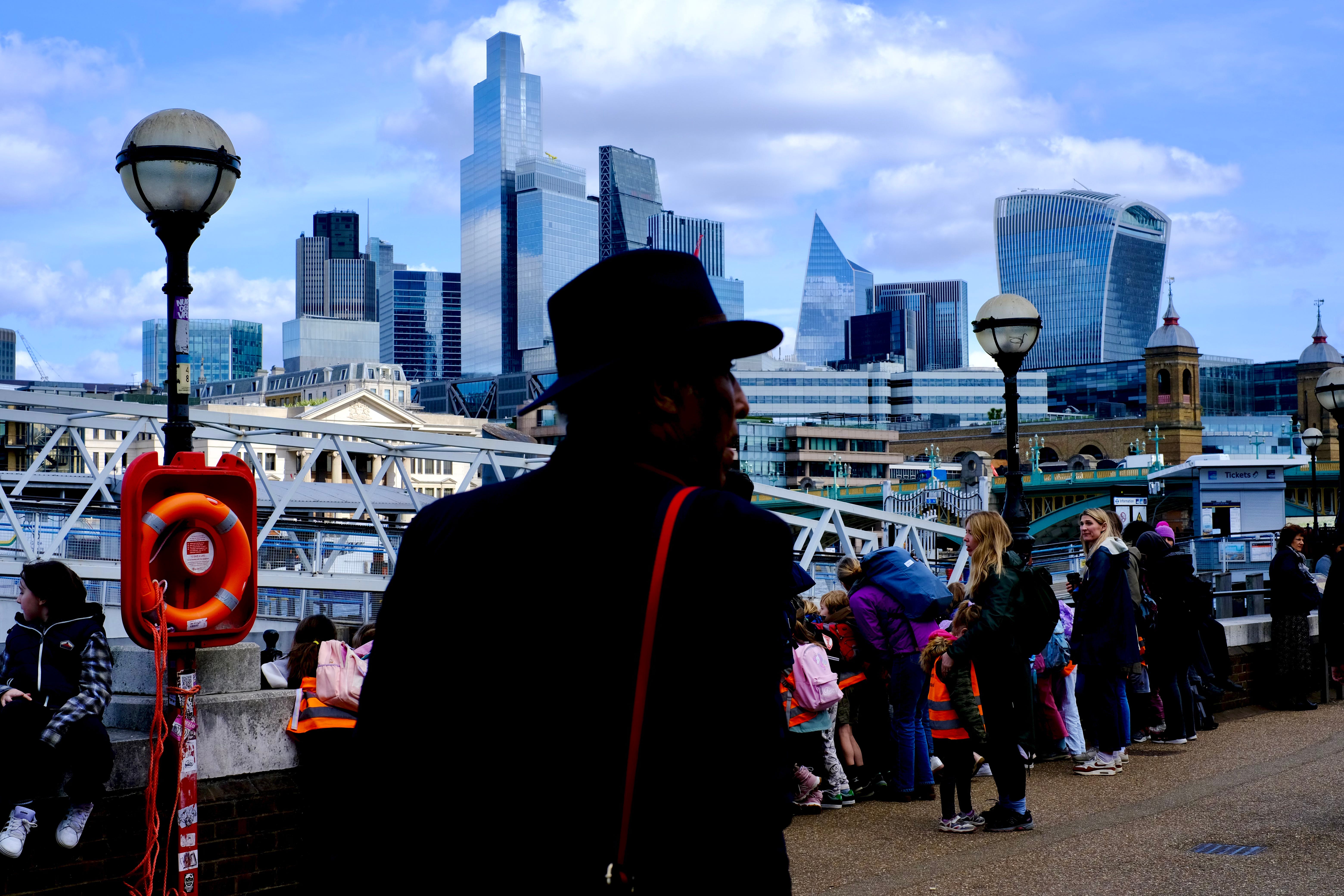
I really admire the work of Harry Gruyaert and Saul Leiter and current photographers such as Alex Webb (video by Tatiana Hopper) and Eduardo Ortiz (video by Tim Jameison). I have learnt a lot from looking at the work of these photographers. I hope you are able to tell me about others who do this well.
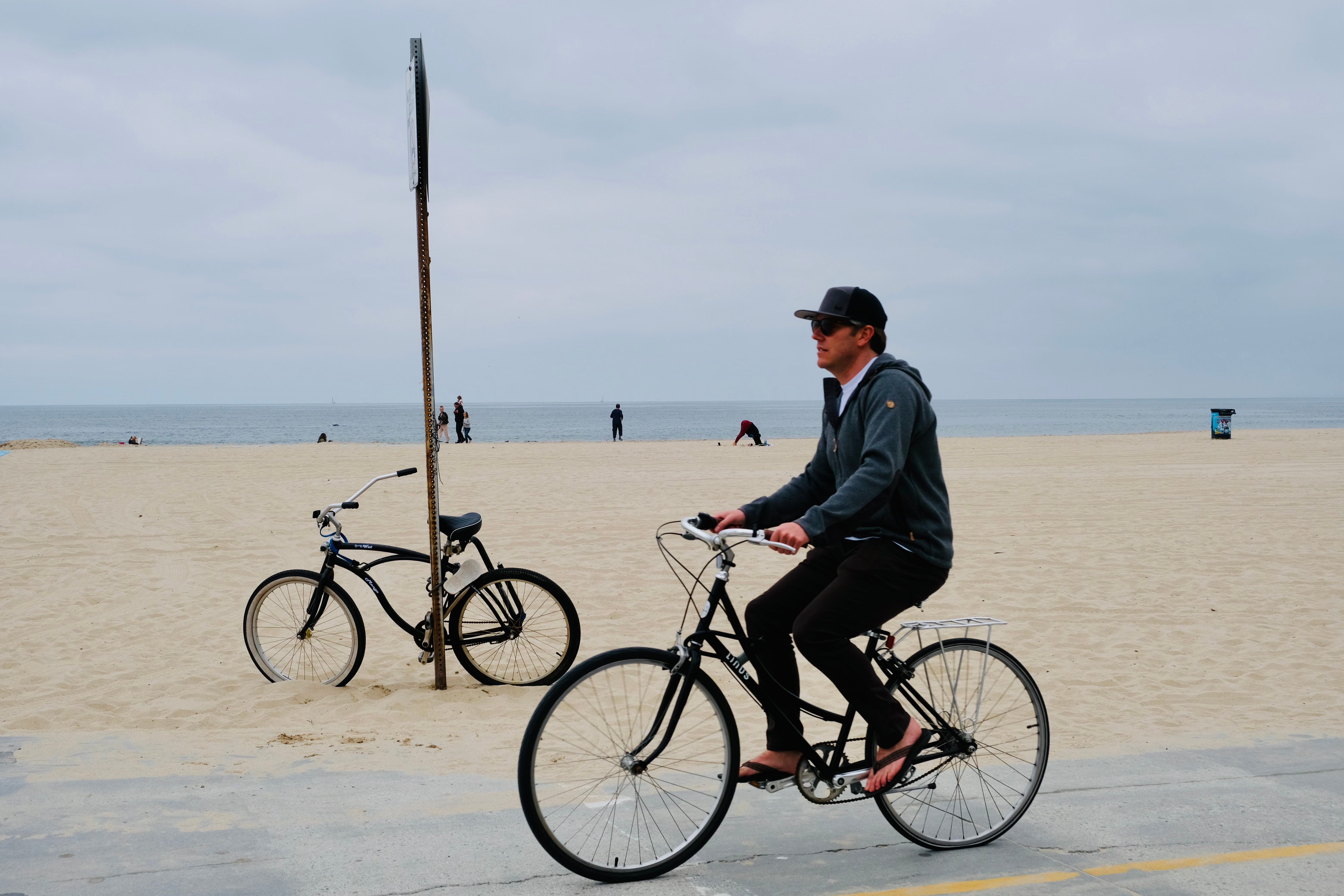
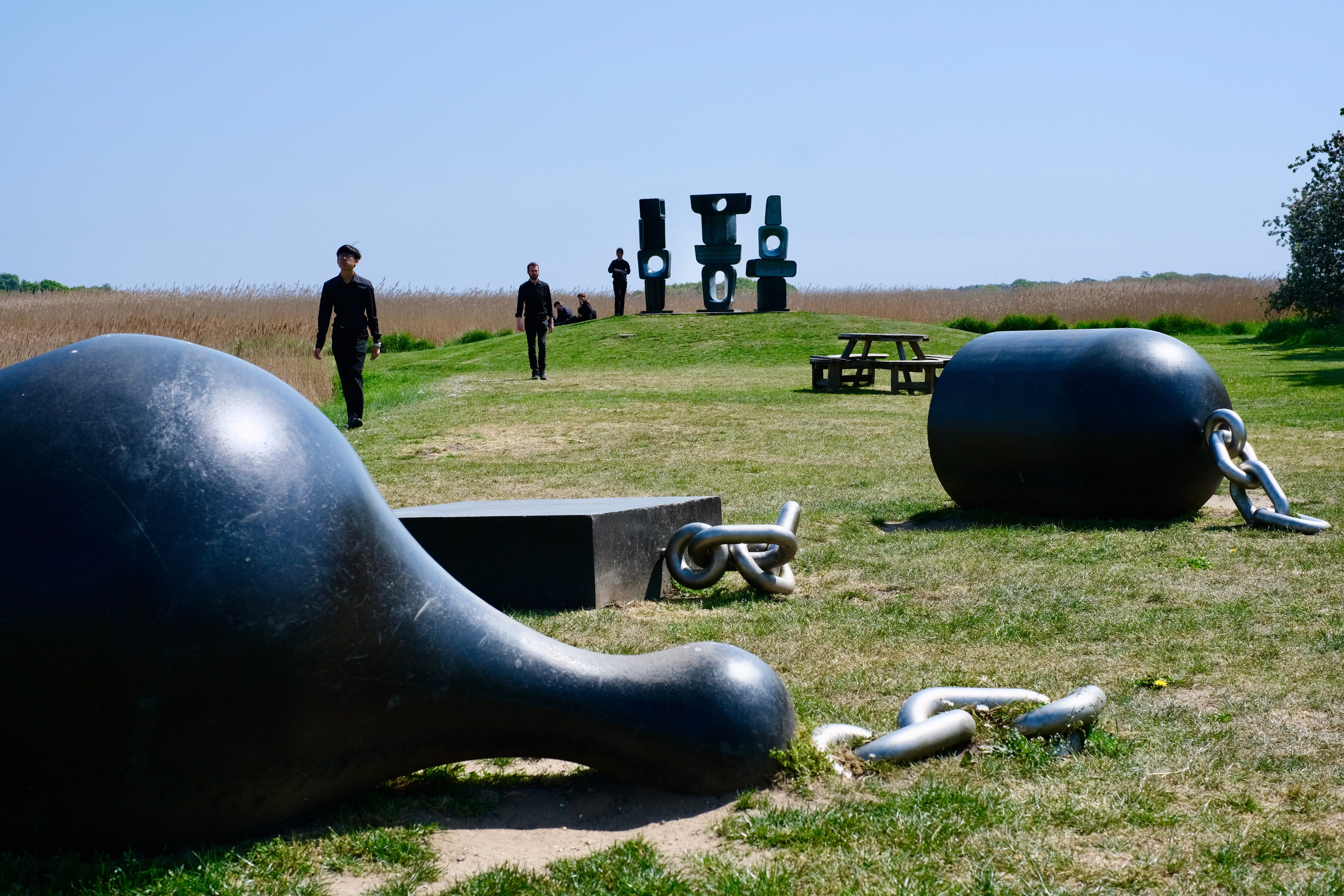
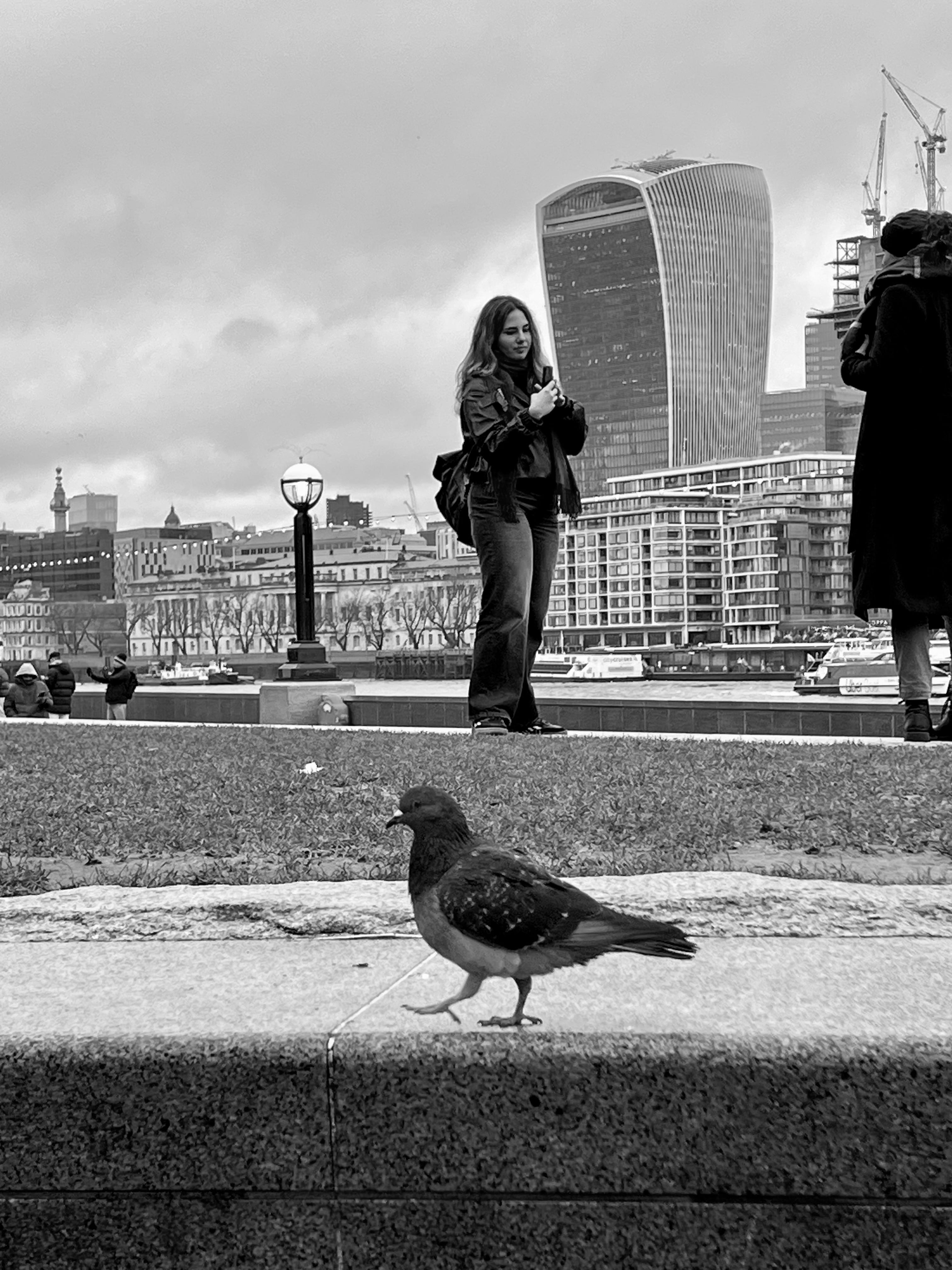
The reason I am interested in learning about using layers in my photography is to create depth and interest which hopefully keeps the viewer engaged for more than a few seconds! As a photograph is two-dimensional there are several ways to create depth, mainly by using foreground, middle-ground and background (hopefully illustrated in the photographs above) as well as placing different subject matter on different planes.
Spacing people in a frame is also something that can develop depth. This could either be by separating people or overlapping them in a composition (see photos below). There is juxtaposition in one too! Can you see it?
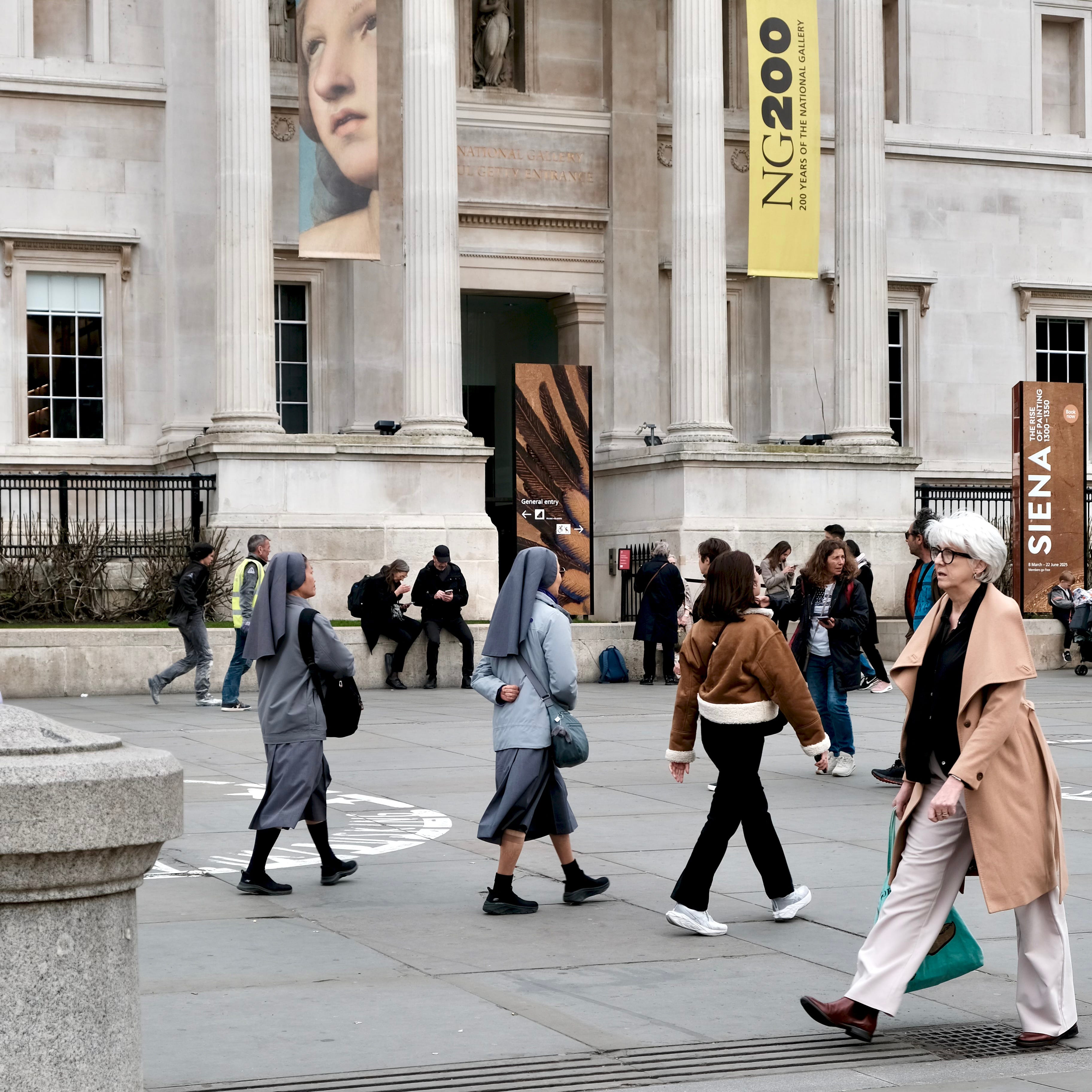
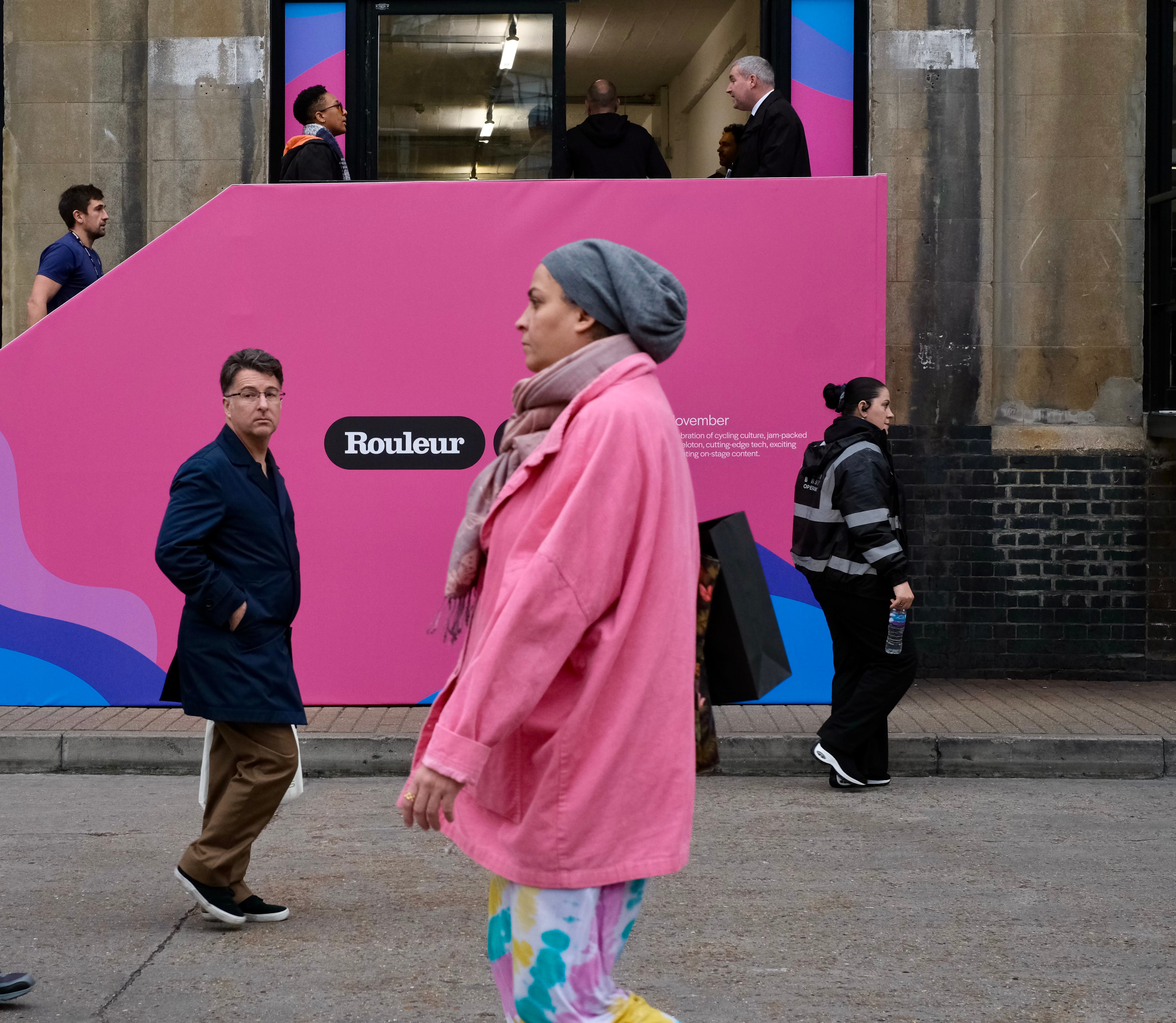
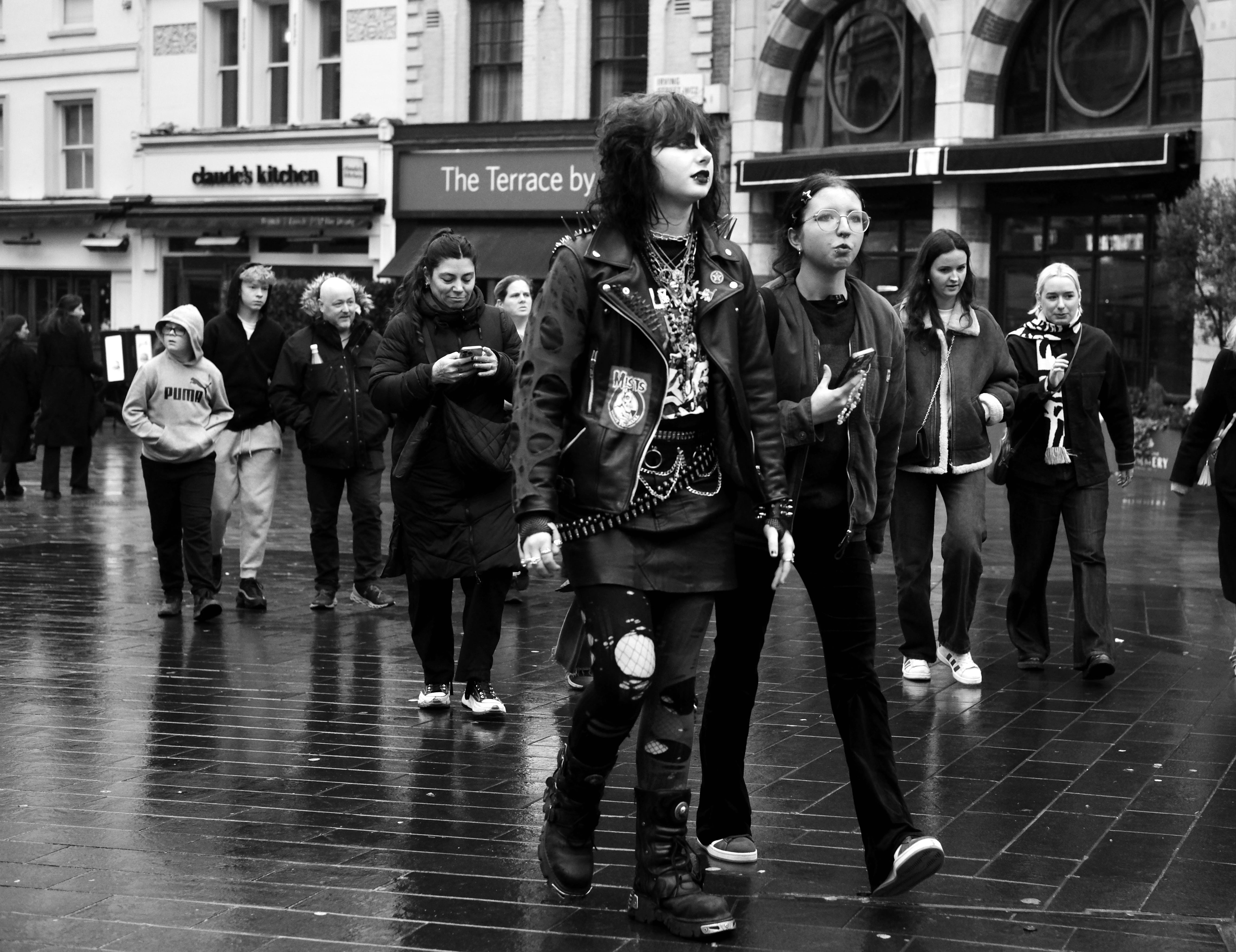
Light, shadows, silhouettes and framing can also be used. Another way to create depth using layers is to photograph through things; condensation on windows, water, broken glass etc. This is really popular in street photography and a post will be coming in the future as I like the aesthetic nature of abstract photography.
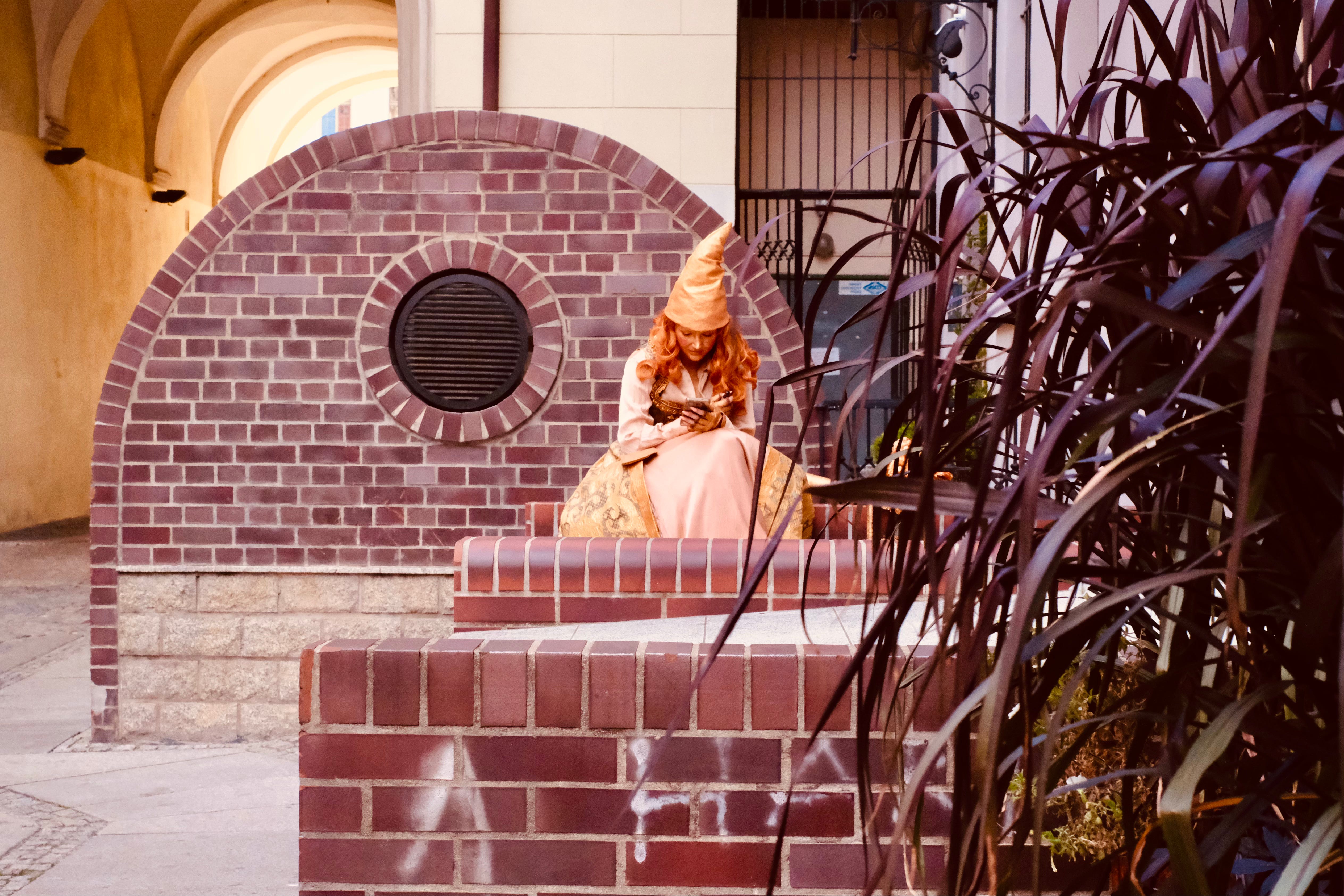
I leave you with a five-layered photograph of a street performer having a break!
Pat
Oh I do love a shot with lots of layers, or at least different elements so it’s not just of the “thing”. I feel like the more experienced you get with it, the harder it gets!
Some nice pictures in the post too!
Hi, Pat. It’s 5:00 am and here I am in bed on my phone when I should be sleeping.
Reading this post, Sam Abell, a former National Geographic photographer, came to mind. I’m thinking specifically of “Ripening Pears on Windowsill, Moscow” (1986). It’s an excellent example of layered storytelling and natural light. I’ll find a video I watched a while ago (it’s on YouTube, I think) and get back to you.
My favourite image from this set is probably the one with the pigeon. It has the fewest elements in three distinct layers (although, if you had been able to stage manage it, I would have shifted the woman slightly to the left, between the lamp and the building).